Foundations and geotechnical services
Jump to
Expertise
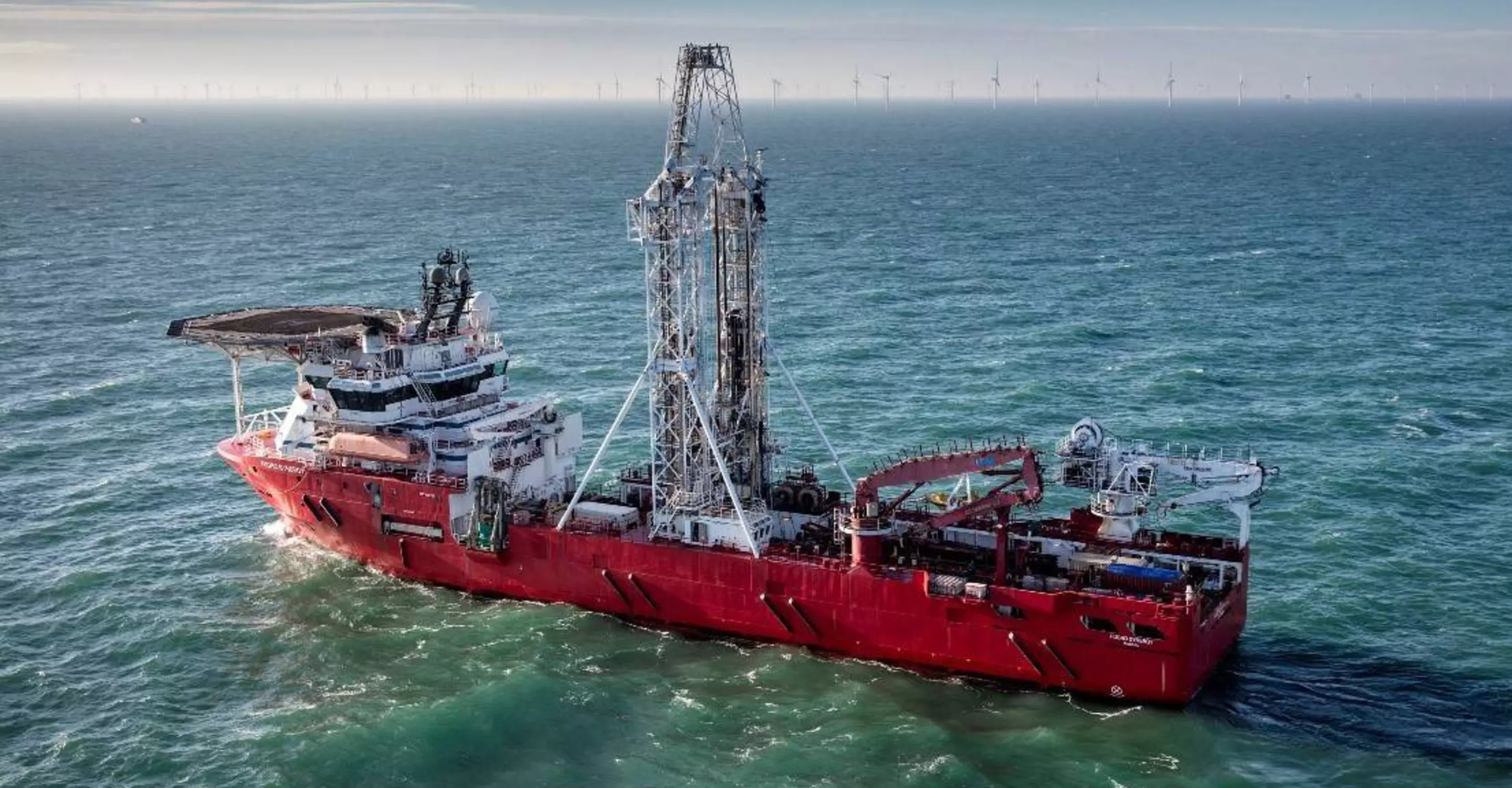
Whether your project site is located at the bottom of the ocean or in shallow waters, it’s hard to tell what’s going on beneath the surface. And how your project may be impacted by those conditions – or even at risk. That’s where we come in. At Fugro, we provide you with a complete understanding of the conditions and hazards at your project site. With our reliable, accurate data, you’ll be able to manage and minimise risks. And together we’ll come up with the best, most cost-effective foundation design for your site that lasts a lifetime.

Max Daarnhouwer
Global lead Foundations and geotechnical services

Case study
Geotechnical investigation enables optimised offshore wind farm foundation design at Le Tréport
Our large geotechnical investigation led to Eoliennes en Mer Dieppe Le Tréport (EMDT) developing an optimised foundation design for a wind farm project at Le Tréport.
Case study
Site characterisation for Revolution Wind, Ørsted and Eversource
We provided a comprehensive campaign of geophysical surveys and geotechnical site investigations to characterise the site and optimise the design and positioning of the future wind turbines and associated infrastructure.
Case study
The world’s largest offshore wind farm
Fugro was involved at all stages of the development of a flagship renewable energy project which was officially inaugurated in July 2013.
1 / 3
Related news


Related publications
All publicationsContact us
Get in touch for foundations and geotechnical surveys

Max Daarnhouwer
Global lead Foundations and geotechnical services

Jeff Scott
Regional lead Americas - Foundations and geotechnical services

Dennis Koenen
Regional lead Europe & Africa - Foundations and geotechnical services

Luke Macduff Martin
Regional lead Middle East & India - Foundations and geotechnical services

Come join us
Exciting challenges. Unforgettable experiences. Work that helps create a more safe and liveable world. These are a few of the things you’ll find at Fugro. Will you join our global team?